Quartz countertops have become one of the most popular surface choices for modern kitchens, and for good reason. They offer a refined look, strong performance, and predictable pricing compared to many natural stone options. Homeowners, designers, and builders alike appreciate their consistency and low-maintenance appeal, especially in busy households.
That said, quartz countertops are not a one-size-fits-all solution. Understanding their advantages, limitations, and realistic costs is essential before making a final decision. This guide breaks everything down clearly, so you can decide whether quartz is the right investment for your kitchen.
What Are Quartz Countertops?
Quartz countertops are engineered surfaces made from approximately 90–95% natural quartz crystals combined with resins and pigments. This manufacturing process creates a non-porous slab that is both durable and visually consistent, unlike many natural stones that vary from slab to slab.
Because they are engineered, quartz countertops allow for a wide range of colors and patterns. From subtle marble-inspired veining to solid modern tones, they adapt easily to different design styles. This consistency is especially valuable when homeowners want a clean, controlled aesthetic across large kitchen surfaces.
As one fabricator often explains:
“Quartz gives homeowners the look they want without the surprises that sometimes come with natural stone.”
Pros of Quartz Countertops
One of the biggest advantages of quartz countertops is durability. They resist scratches, stains, and everyday wear far better than many porous materials. This makes them ideal for families who cook frequently or entertain often.
Another major benefit is low maintenance. Quartz kitchen countertops do not require sealing, polishing, or special cleaners. A simple wipe with mild soap and water keeps them looking new, which appeals to homeowners seeking long-term convenience.
Quartz countertops also excel in design flexibility. Manufacturers can precisely control color and veining, making it easier to match cabinets, flooring, and backsplashes. For homeowners navigating the buying process, this consistency simplifies decision-making, especially when reviewing guides like choosing the right countertop for your kitchen renovation.
Cons of Quartz Countertops
Despite their strengths, quartz countertops are not without drawbacks. One limitation is heat resistance. While they handle daily kitchen use well, placing extremely hot pans directly on the surface can cause discoloration or damage to the resin.
Another consideration is their engineered nature. Homeowners who value completely natural materials may prefer stone options like granite or quartzite. For those weighing that choice, comparing materials through resources such as an in-depth comparison between quartz and granite surfaces can provide helpful clarity.
Finally, quartz countertops are typically limited to indoor use. UV exposure can cause fading over time, making them unsuitable for outdoor kitchens or areas with constant direct sunlight.
Quartz Countertop Cost: What to Expect
Quartz countertop cost generally ranges from mid to high-tier pricing. On average, homeowners can expect to pay between $60 and $100 per square foot installed, depending on brand, thickness, edge profiles, and complexity of the layout.
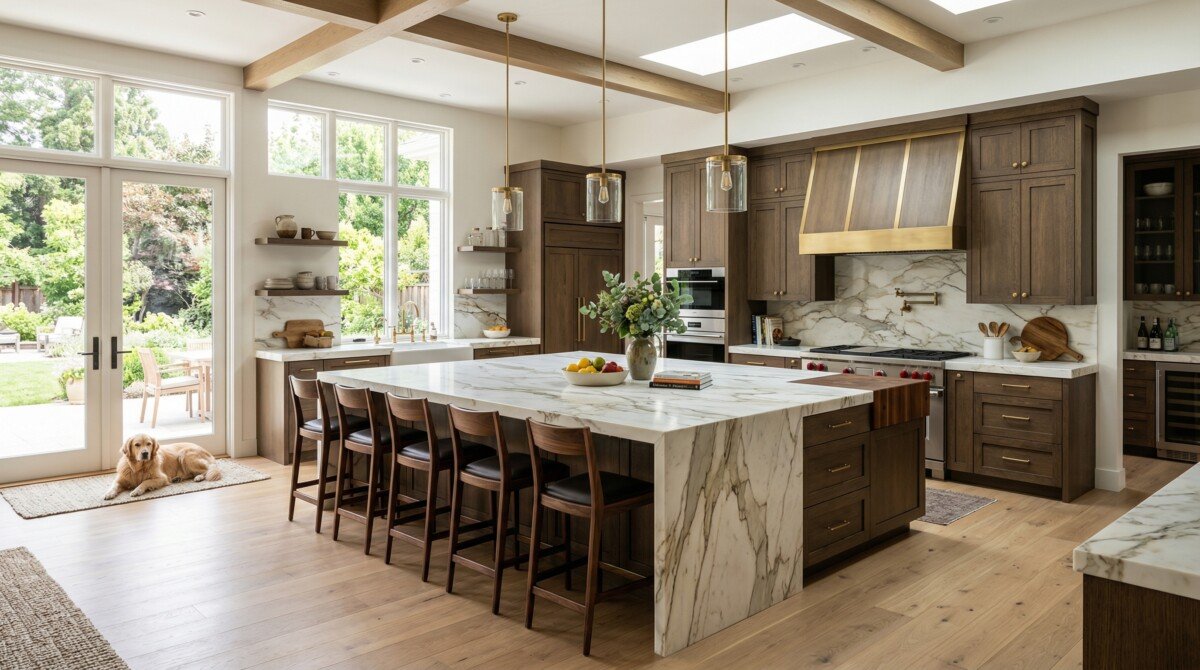
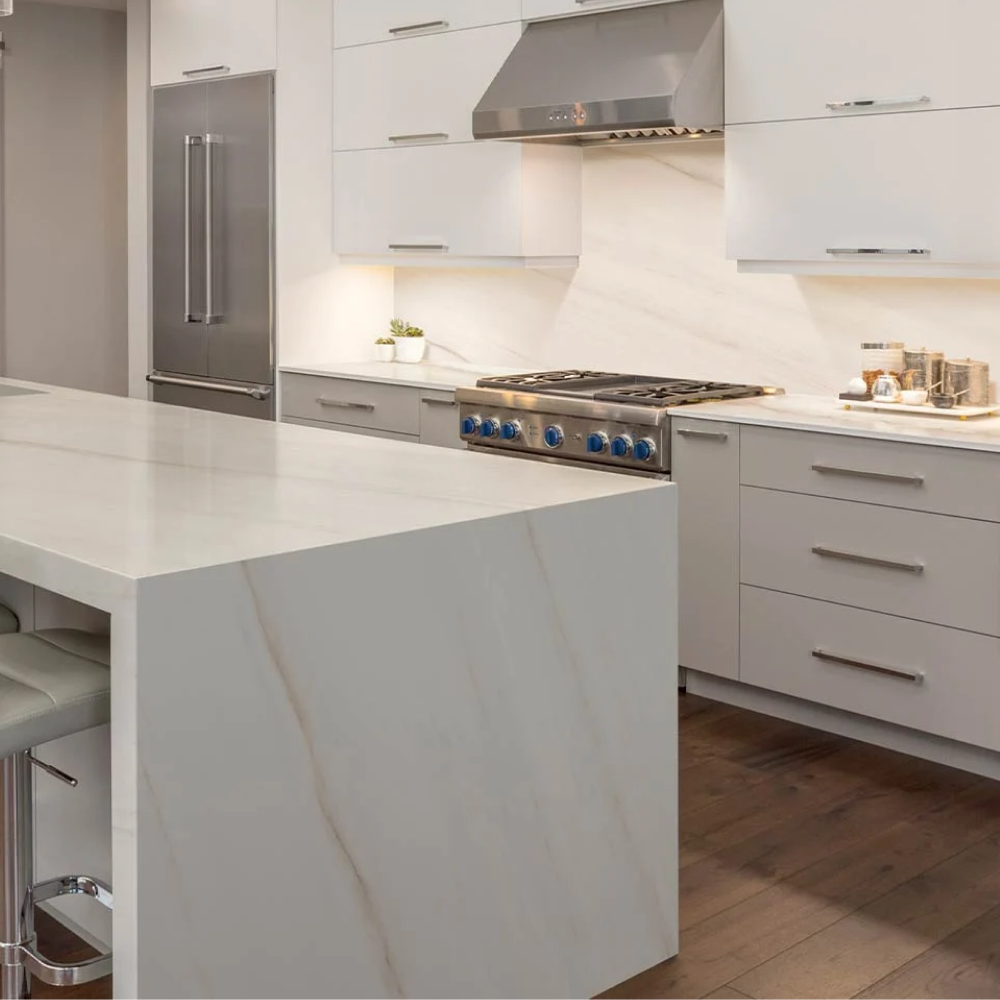
Premium designs with detailed veining or custom finishes can increase the quartz countertop cost, especially for larger kitchens or waterfall islands. Installation factors such as cutouts, seams, and structural reinforcement also influence the final price.
While quartz countertops may cost more upfront than laminate, many homeowners see value in their longevity and low maintenance. As one industry professional notes:
“You’re not just paying for the surface—you’re paying for years of reliability and minimal upkeep.”
Quartz Kitchen Countertops in Real Homes
Quartz kitchen countertops perform exceptionally well in real-world use. Their non-porous surface resists bacteria and staining, making them a practical choice for food preparation areas. This hygienic quality is especially appealing in households with children.
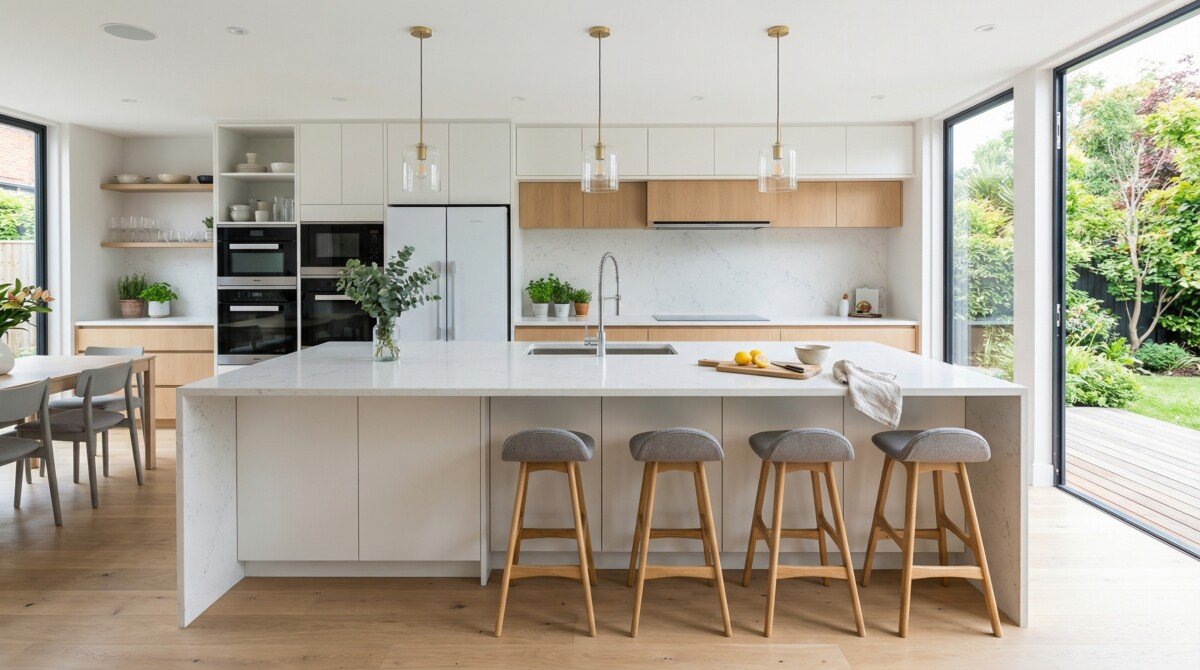
Design-wise, quartz kitchen countertops work equally well in modern, transitional, and even traditional kitchens. Whether paired with flat-panel cabinets or classic shaker styles, they offer versatility without overpowering the space.
For homeowners exploring material education beyond quartz, learning the fundamentals before buying stone countertops can help set realistic expectations and avoid costly mistakes.
Is Quartz Right for Your Kitchen?
Choosing quartz countertops ultimately depends on your priorities. If you value durability, easy maintenance, and visual consistency, quartz is often an excellent choice. It’s particularly well-suited for primary kitchens that see daily use.
However, if natural variation, outdoor applications, or extreme heat resistance are top priorities, you may want to explore alternative materials. Working with experienced professionals who offer expert countertop fabrication and installation services can make a significant difference in achieving the best outcome.
Before making a final decision, consider how your kitchen functions, your design goals, and your long-term maintenance preferences. Quartz countertops deliver strong performance, but the best countertop is always the one that fits your lifestyle.
While engineered materials offer consistency, many homeowners still prefer natural stone countertops for their longevity and resale value
Quick Summary: Quartz Countertops at a Glance
- Durable and scratch-resistant
- Non-porous and low maintenance
- Consistent colors and patterns
- Moderate to high quartz countertop cost
- Best suited for indoor kitchens
Quartz countertops continue to be a smart, stylish choice for homeowners seeking balance between beauty and practicality. With proper planning and professional installation, they can elevate your kitchen for years to come.