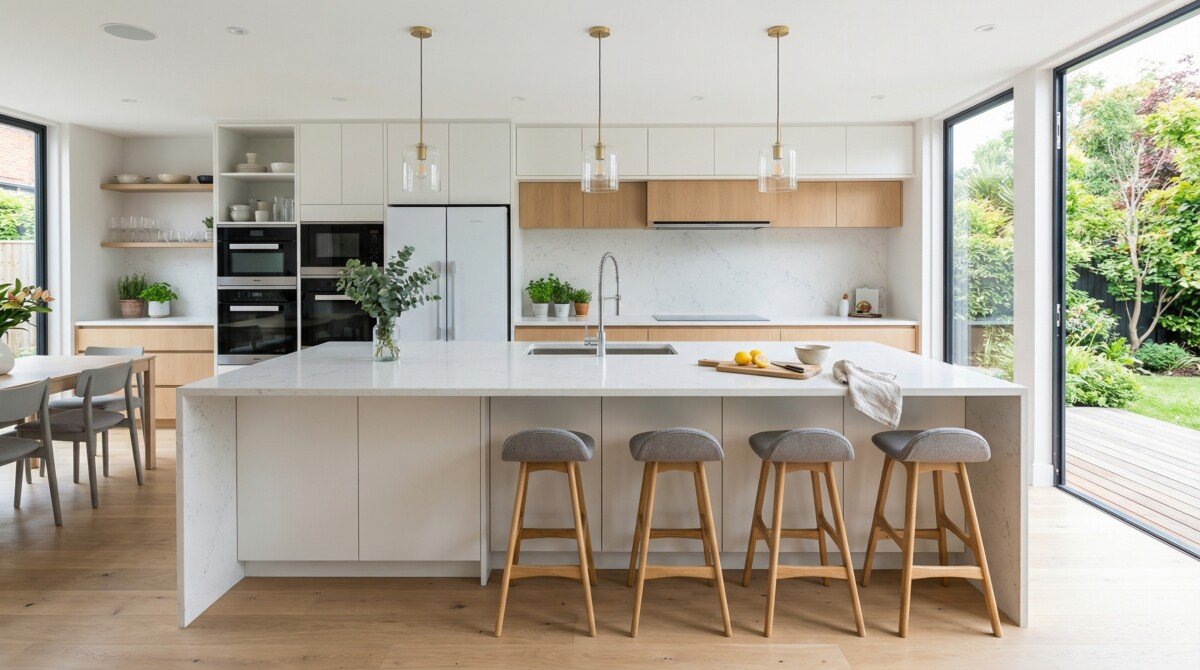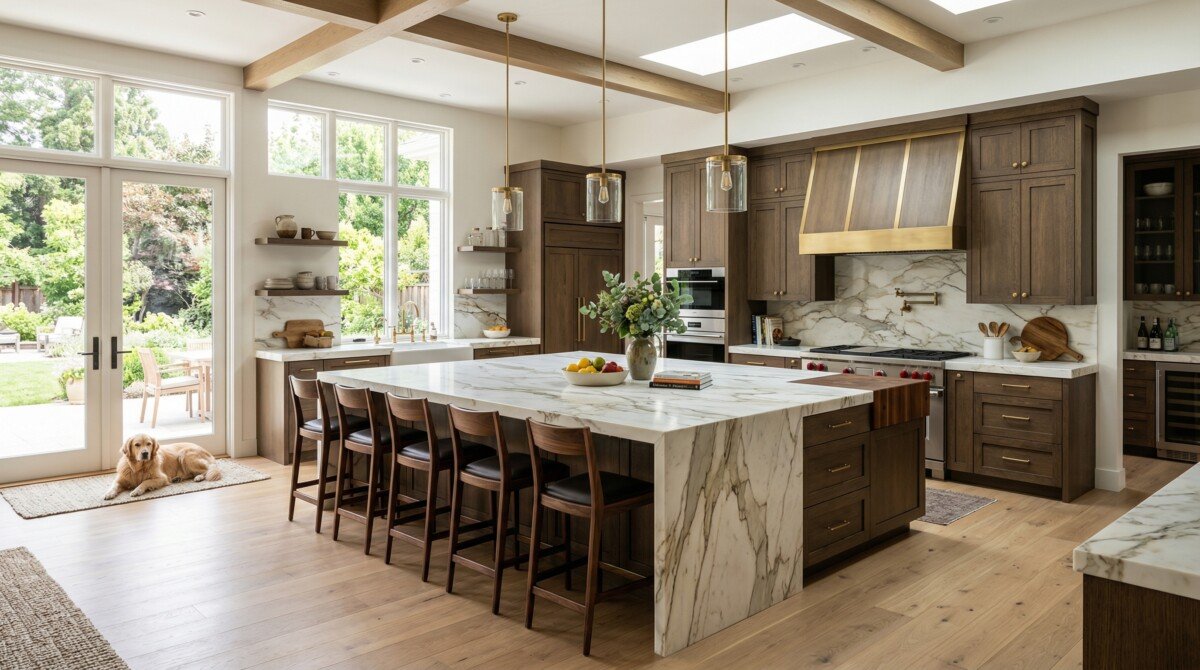
When evaluating a high-end kitchen remodel, the financial implications are often as significant as the aesthetic ones. Homeowners frequently ask, do stone countertops increase home value enough to justify the initial capital outlay? While a kitchen renovation is widely regarded as one of the most effective ways to boost a property’s market appeal, the specific choice of surface material plays a pivotal role in determining the ultimate return on investment (ROI).
The answer is not a simple binary. The impact on valuation depends on the quality of the material, the precision of the fabrication, and how the choice aligns with the overall architectural standard of the neighborhood. In the premium market, natural stone is no longer just a luxury—it is often a baseline expectation for discerning buyers. This guide explores the intersection of real estate value and material science to provide a balanced perspective on the financial performance of natural stone surfaces.
The Investment Perspective: Beyond the Surface
To understand the financial impact of premium surfaces, one must view the kitchen through the lens of a prospective buyer. The kitchen is typically the most scrutinized room during a home inspection or walkthrough. It is the space where quality—or the lack thereof—is most visible. In this context, natural stone countertops serve as a “shorthand” for the overall quality of the home’s maintenance and construction.
From a purely quantitative standpoint, a kitchen renovation ROI can vary significantly, but mid-range to upscale remodels consistently recoup a substantial portion of their cost at resale. Natural stone, specifically granite and quartzite, tends to hold its value better than synthetic alternatives because it does not degrade, yellow, or go out of style with shifting interior design trends. When a buyer sees a high-quality stone surface, they see a finished product that they will not have to replace for decades, which directly translates into a higher offer price.
Longevity and the Lifecycle of Quality
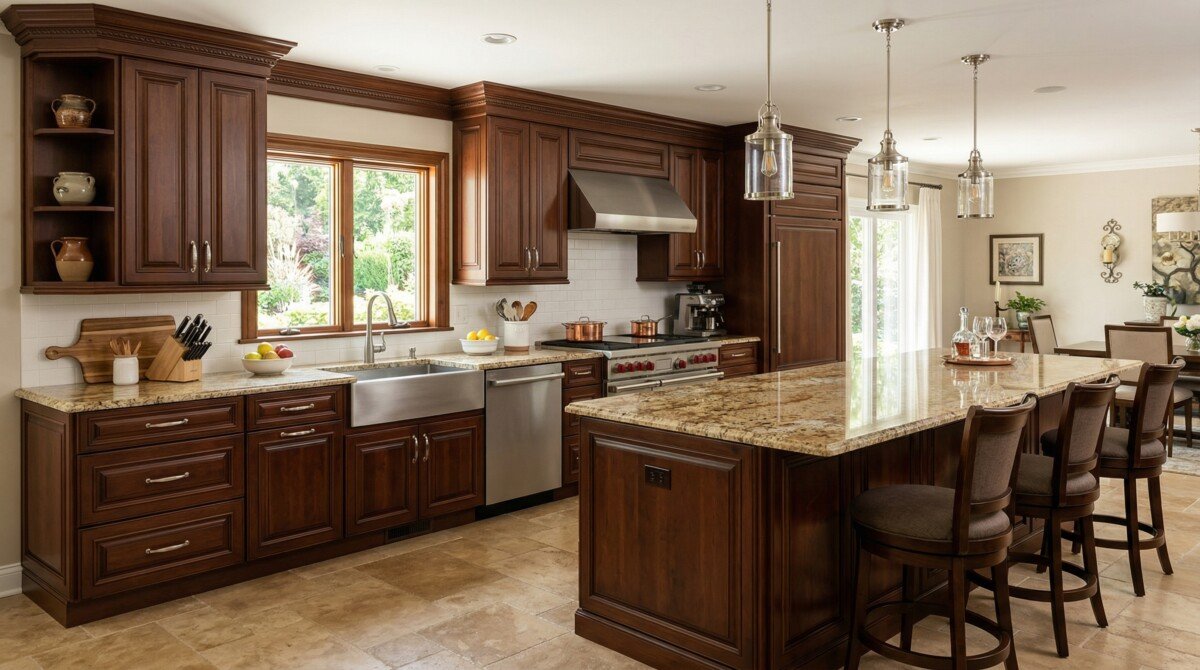
One of the primary drivers of countertops resale value is the material’s inherent longevity. Unlike laminate or lower-grade solid surfaces that can burn, scratch, or delaminate over time, natural stone is a permanent architectural feature. When we fabricate a slab of granite or quartzite, we are working with a material that has already existed for millions of years; its lifecycle in a residential setting is essentially indefinite.
A long-term investment in natural stone countertops pays dividends by eliminating the need for mid-cycle replacements. In a high-traffic family home, a surface that can withstand heat, heavy cookware, and daily abrasion maintains its “showroom” appearance much longer than softer or manufactured materials. For a homeowner planning to stay in their property for ten to fifteen years before selling, the durability of stone ensures that the kitchen will still look “newly renovated” when the house finally hits the market.
Maintenance Over Time: Protecting the Asset
A critical factor in maintaining home value is how the stone is cared for throughout its lifespan. A stained or etched marble countertop can actually detract from a home’s value, as it suggests a lack of professional upkeep. To ensure a high natural stone ROI, homeowners must commit to the basic maintenance required for their specific stone type.
For most granites and quartzites, this involves periodic sealing to prevent moisture penetration. In our professional experience, the most valuable kitchens at resale are those where the owners have used high-quality, pH-neutral cleaners and have refreshed the sealer every few years. When a real estate agent can point to a “pristine quartzite island” rather than “stained stone,” the perceived value of the home increases significantly. Buyers are looking for luxury, but they are also looking for evidence that the home has been meticulously managed.
When Is Natural Stone Not Worth the Investment?
To provide a truly balanced perspective, it is important to acknowledge that natural stone is not always the most prudent financial move. Building credibility with our clients means identifying when a high-end upgrade might not yield a proportional return.
- Neighborhood Ceiling: If the average home value in your immediate area does not support a premium price point, installing exotic Calacatta marble may result in an “over-improvement.” You may enjoy the stone personally, but you are unlikely to recoup the cost if the surrounding market can’t sustain the increased valuation.
- Poor Layout Integration: Installing expensive stone on poorly designed or aging cabinetry is a mistake. Buyers will see the stone and realize they have to tear it out anyway to fix the kitchen’s flow, which negates the kitchen renovation ROI.
- Short-Term “Flips” in Low-End Markets: If the goal is a rapid sale in a budget-conscious market, high-end stone may be overkill compared to a clean, modern engineered product that offers a similar look at a lower entry price.
The Impact of Installation Quality on Resale Value
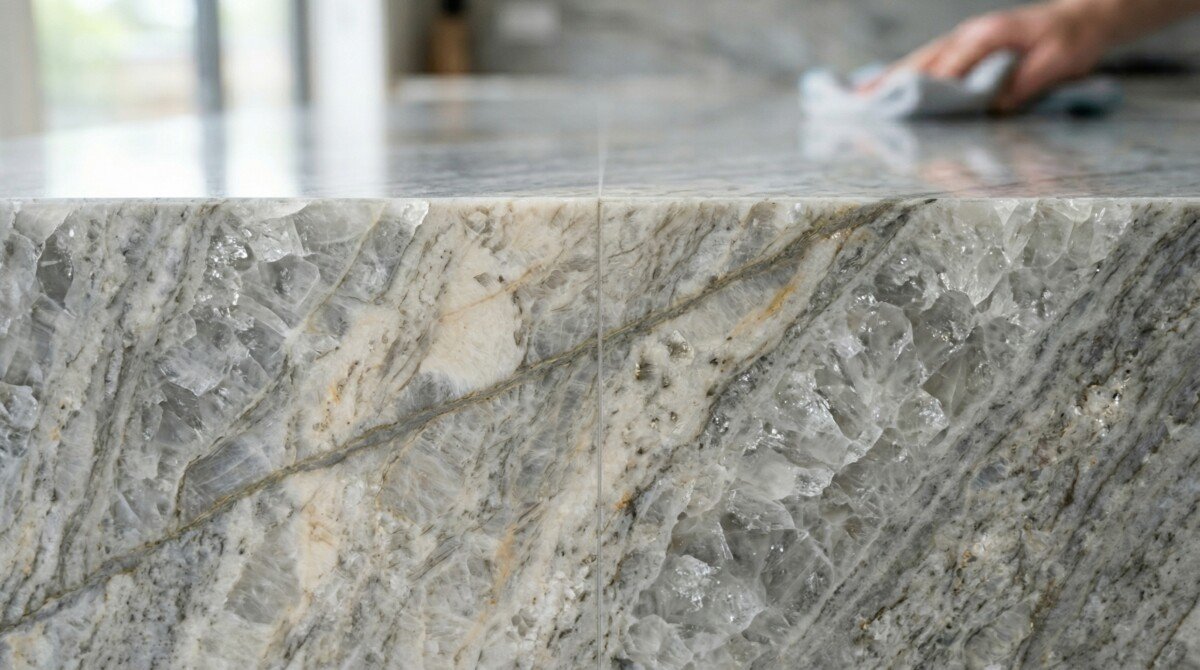
A slab of stone is only as good as its fabrication. We have seen many instances where beautiful, expensive materials were devalued by poor execution. Visible, wide seams, uneven overhangs, or improperly finished edges are red flags for savvy buyers.
The home value kitchen upgrades that truly move the needle are those executed with professional countertop installation. This includes precise vein matching at the seams (book-matching), perfectly polished edges, and a secure, level fit that prevents future structural cracking. When a buyer runs their hand across a seam and can barely feel it, that is a hallmark of quality that reinforces the home’s premium status. Professional installation ensures that the stone doesn’t just look good in photos, but stands up to the physical scrutiny of a home inspection.
Granite and Quartzite: The Resale Leaders
When looking specifically at granite resale value, it remains a top contender because of its universal recognition. Even buyers who aren’t design-savvy know that granite equals quality. It is synonymous with “upscale” in the minds of most American homeowners.
However, quartzite is rapidly gaining ground in high-end real estate markets. It offers the aesthetic of marble—which is highly desirable for its light, airy feel—but with the hardness of granite. For a homeowner looking to maximize home value kitchen upgrades, choosing a high-quality quartzite can often bridge the gap between “trendy” and “timeless,” appealing to the widest possible range of affluent buyers.
Making an Informed Decision for Your Home
Determining if a specific stone upgrade is right for you involves a consultation that considers your home’s current value, your long-term goals, and your personal design preferences. Understanding how to choose the best kitchen countertops is a process of balancing these financial realities with the functional needs of your household.
At Galaxy Tops, we view our role as more than just fabricators; we are consultants for your home’s equity. We help you navigate the vast landscape of natural materials to find the specific slab that will provide the best aesthetic fit while protecting your financial interests. Whether you are preparing a home for the market or building your “forever” kitchen, the quality of the stone and the precision of the work remain the defining factors of success.
If you are weighing the benefits of natural stone for an upcoming project, we invite you to reach out for a professional assessment. We can provide a detailed estimate and help you evaluate which materials are currently trending in the high-end market, ensuring your renovation is a sound investment for years to come.