One of the most consequential decisions you will make during a premium kitchen or bathroom renovation is selecting the right surface material. The countertops you choose dictate the aesthetic anchor of the room while simultaneously bearing the brunt of daily domestic life. Understanding the nuances of natural stone vs engineered stone is essential for achieving both the visual vision and functional performance your home requires.
Navigating the landscape of high-end surface materials involves weighing the unique, timeless beauty of nature against the precise, reliable performance of modern manufacturing. This guide explores the fundamental distinctions, material behaviors, and lifecycle expectations of both categories to help you make an informed decision for your upcoming project.
The Core Difference Between Stone and Quartz
To make an educated choice, homeowners must first understand how these materials are sourced and created. This foundational knowledge clarifies why they perform differently in a residential environment.
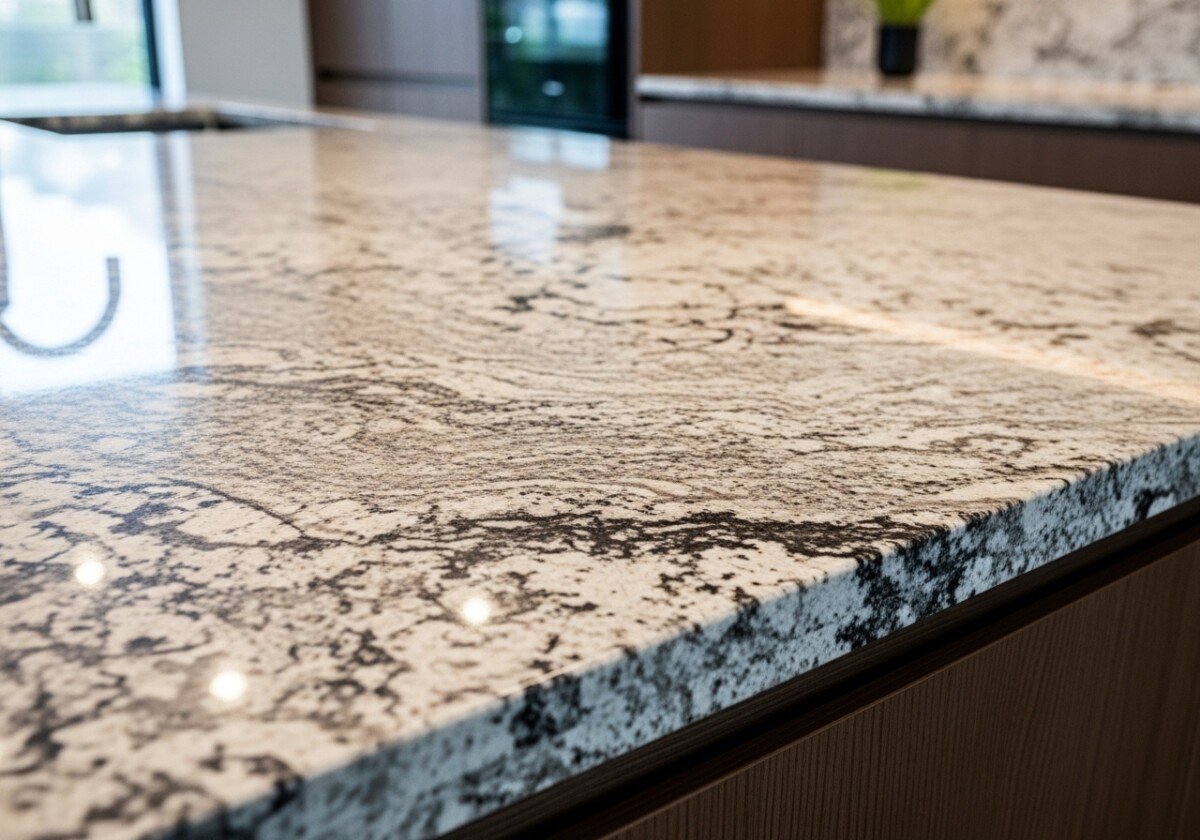
Natural stone surfaces—including granite, marble, quartzite, and soapstone—are quarried directly from the earth in massive blocks. These blocks are sliced into individual slabs, polished, and shipped to fabrication facilities. The material remains in its raw, unaltered state, meaning the mineral composition, structural density, and visual characteristics are entirely determined by geological processes that occurred millions of years ago.
In contrast, engineered stone is a manufactured product. Predominantly recognized in the market as quartz, these surfaces are composed of roughly ninety to ninety-three percent crushed natural quartz crystals. This aggregate is bound together using specialized polymer resins and color pigments under intense heat and pressure. The resulting slab is dense, uniform, and specifically engineered for modern interior applications.
Side-by-Side Comparison: Aesthetics and Character
The visual distinction between these two categories is often the primary deciding factor for homeowners and interior designers.
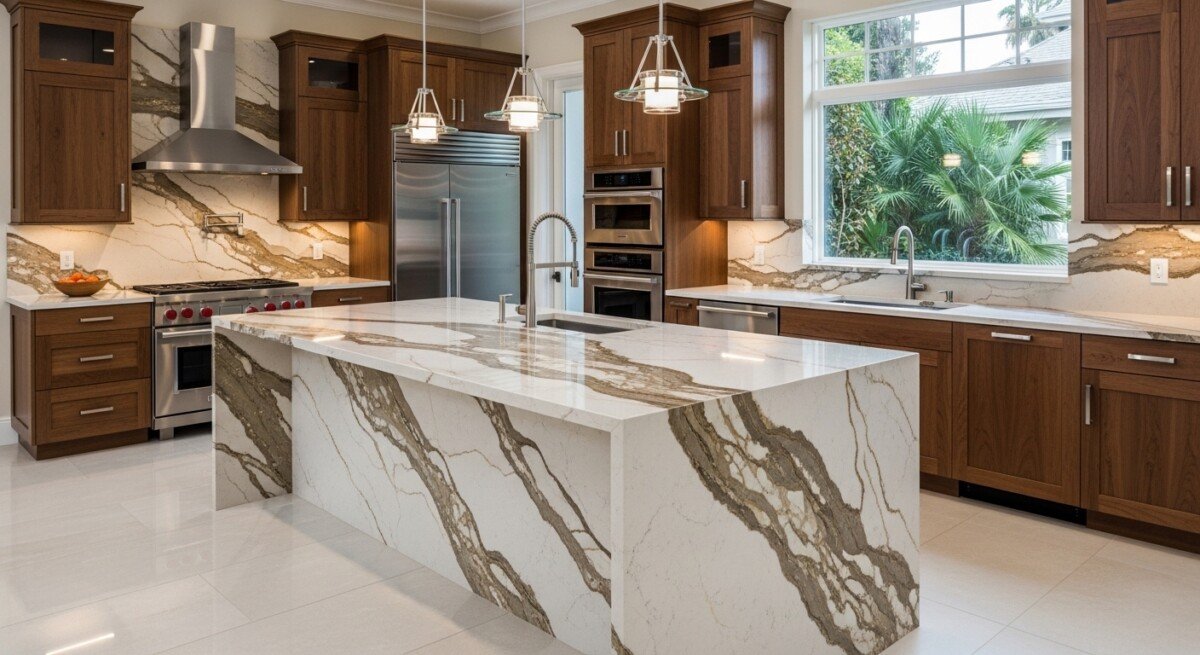
When evaluating a natural stone vs quartz countertop, the conversation typically begins with material variation. Natural stone offers an aesthetic that is entirely unrepeatable. The complex veining of Calacatta marble, the deep mineral deposits of exotic granite, or the crystalline structure of Taj Mahal quartzite cannot be identically replicated. For those prioritizing absolute uniqueness, custom natural stone countertops deliver a singular aesthetic statement that ensures no other home will share your exact kitchen surface.
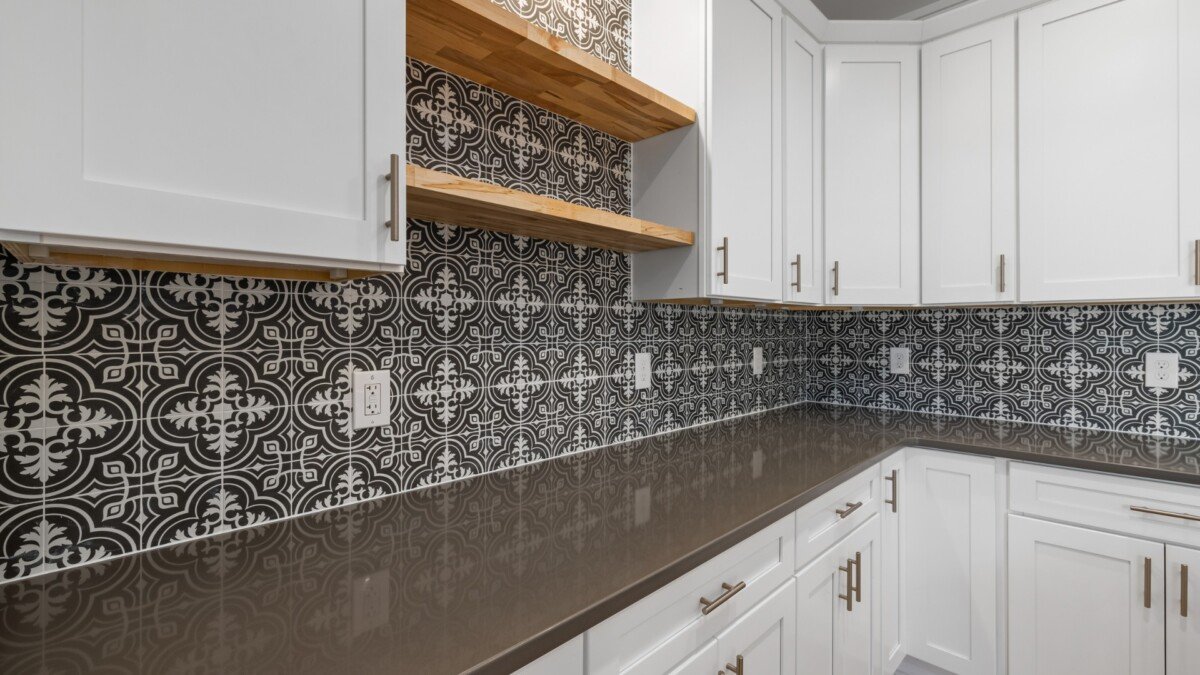
Engineered stone approaches design from a perspective of control and consistency. Because the manufacturing process is highly regulated, a quartz slab will closely match its showroom sample. This predictability is highly valued in modern, minimalist design schemes where uniform color blocking is desired. Furthermore, advanced manufacturing techniques now allow engineered quartz to mimic the complex veining of luxury marbles with impressive accuracy, offering a high-end look without the associated maintenance demands of porous stone.
Engineered Stone Durability vs. Natural Stone Resilience
From a fabrication and daily use perspective, both materials offer exceptional longevity, but they react to environmental stressors in distinct ways. Investing in premium surfaces represents a significant long-term investment in the value of your property, requiring careful consideration of how you actually utilize your kitchen spaces.
When evaluating engineered stone durability, the polymer resin binder is both its greatest strength and its primary limitation. This resin creates a surface that is highly resistant to impact and chipping, making it exceptionally forgiving in a busy household where heavy pots and pans are frequently moved. However, those same resins are susceptible to thermal shock and scorching. Placing a hot roasting pan directly out of the oven onto a quartz countertop can cause permanent, irreparable discoloration or cracking in the resin matrix.
Natural stone, particularly dense varieties like granite and quartzite, demonstrates superior heat resistance. Formed under extreme volcanic or tectonic heat, these stones can typically withstand direct contact with hot cookware without sustaining damage. However, natural stone is comparatively more brittle than quartz. Striking the edge of a granite countertop with a heavy cast-iron skillet is more likely to result in a chip compared to an engineered surface. During the fabrication process, this extreme hardness dictates our approach; true quartzite demands specialized diamond tooling and deliberately slow cutting speeds to prevent structural fracturing before the slab even reaches a home.
Evaluating the Pros and Cons of Natural Stone Maintenance
The operational upkeep required for your countertops is heavily dependent on the porosity of the material.
A thorough assessment of the pros and cons of natural stone must address the requirement for periodic sealing. All natural stones possess microscopic pores. If left unsealed, these pores can absorb liquids, leading to stubborn stains from common kitchen items like red wine, coffee, or acidic cooking oils. Marble is particularly vulnerable to etching, a chemical reaction where acidic substances physically dissolve the surface polish. To maintain the integrity of natural stone, homeowners must commit to applying a high-quality penetrating sealer periodically, depending on the specific stone type and volume of use.
Engineered stone excels in this category. The resin binding process creates a completely non-porous surface. Quartz never requires sealing, will not harbor bacteria within its structure, and is highly resistant to staining from daily spills. Routine cleaning requires nothing more than mild soap and warm water, making it a highly practical choice for culinary enthusiasts who prioritize effortless cleanup over material pedigree.
Quartz vs Natural Stone Cost: Understanding the Variables
Budgeting for premium surfaces requires looking beyond the raw material price. The final quartz vs natural stone cost is influenced by material rarity, slab dimensions, and the complexity of the fabrication process.
Entry-level granite often presents a more accessible price point than mid-tier engineered quartz. However, rare, exotic natural stones with dramatic veining or complex mineral structures will consistently sit at the pinnacle of the pricing spectrum. High-end quartz collections, particularly those featuring hyper-realistic marble patterns and specialized finishes, represent a significant investment comparable to premium natural slabs.
Labor and fabrication intricacies also dictate the final budget. The complexities of professional countertop installation, including precise seaming, custom edge profiling (such as a mitered drop edge), and leveling over custom cabinetry, directly impact the overall project cost. Extremely hard natural materials like quartzite increase the cost of fabrication due to the accelerated wear on diamond cutting tools and the extended labor hours required to achieve a flawless polish.
Best Use Cases for Each Surface Category
The ideal material is rarely universal; it is heavily dependent on the specific application and the environmental demands of the space.
The High-Traffic Family Kitchen
For households with young children or those who frequently entertain large groups, engineered stone frequently emerges as the most pragmatic choice. The stain resistance and lack of maintenance requirements provide peace of mind during heavy daily use, allowing homeowners to enjoy their kitchen without constantly monitoring for spills or acidic drips.
The Statement Island and Culinary Showcase
In architectural designs where the kitchen island serves as the primary visual anchor of the home, natural stone remains unmatched. Sourcing a unique slab of exotic granite or a dramatic, leathered quartzite creates a focal point that functions simultaneously as a durable workspace and a permanent installation of natural art.
Outdoor Kitchens and Barbecue Areas
When designing exterior living spaces, natural stone is the only viable option between the two. The polymer resins utilized in engineered stone are not UV stable. Direct exposure to sunlight will cause a quartz countertop to fade, yellow, and eventually warp or degrade. Dense granites and quartzites handle exterior temperature fluctuations, direct sunlight, and elemental exposure with absolute reliability.
Choosing the Right Surface for Your Home
Declaring one material universally superior ignores the distinct realities of individual households. The decision requires balancing your tolerance for routine maintenance, your budget parameters, and the specific aesthetic you wish to achieve. Engineered stone provides unparalleled consistency and effortless daily maintenance, while natural stone offers unmatched heat resistance and singular, organic beauty.
Navigating these material choices requires more than just reviewing technical specifications; it demands a comprehensive understanding of your specific design goals and functional requirements. At Galaxy Tops, our approach focuses on consultative expertise, ensuring the material you select perfectly aligns with the demands of your daily routine and the architectural integrity of your home.
We invite you to explore these premium surfaces firsthand. Contact our team to schedule a consultation, review physical material samples, discuss custom fabrication possibilities, and receive a detailed, transparent estimate tailored to the exact specifications of your upcoming renovation.